







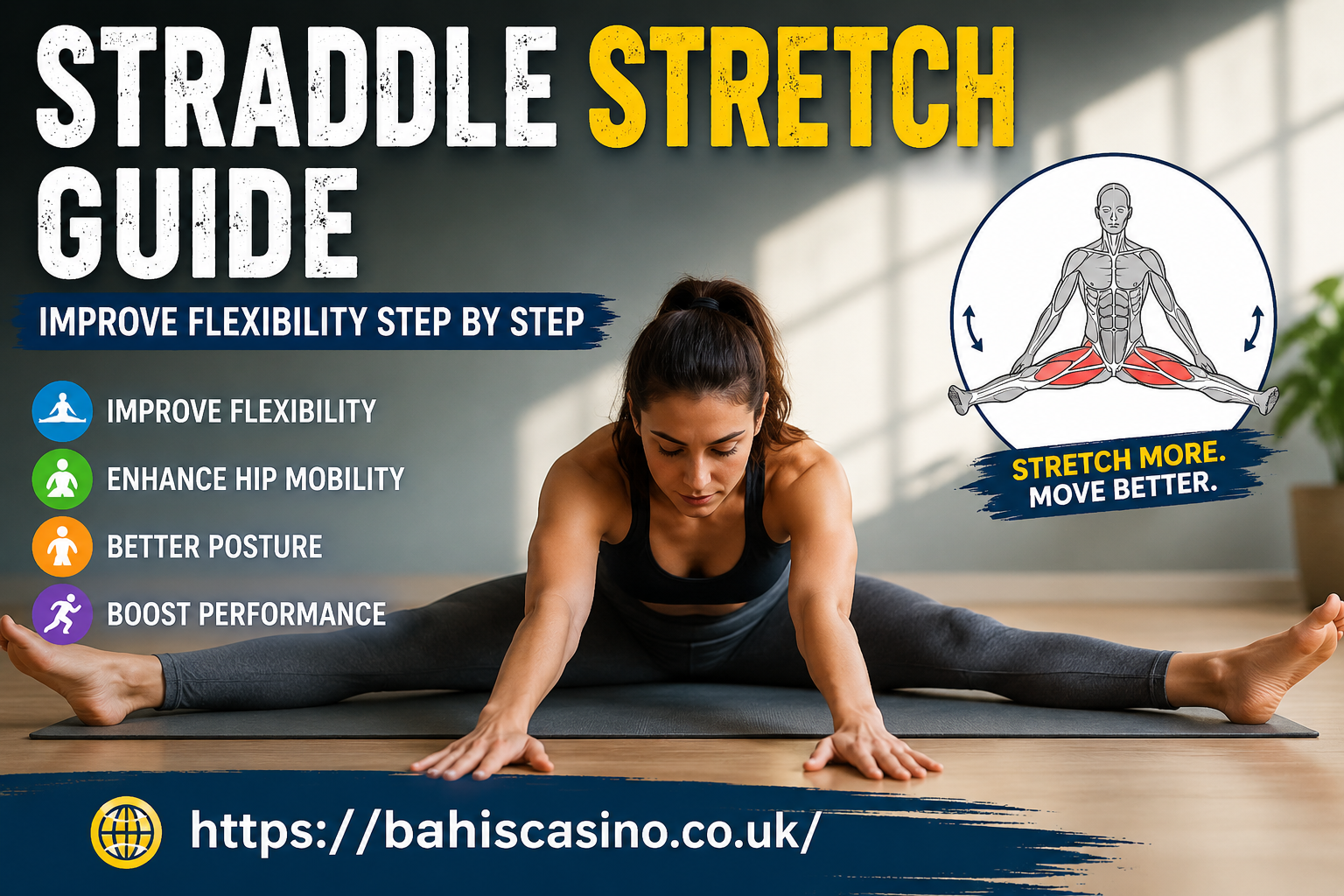
Straddle Stretch Guide Improve Flexibility Step by Step
Improving flexibility is essential for better movement, injury prevention, and overall physical performance. One of the most effective exercises for lower-body flexibility is the straddle stretch. Whether you’re an athlete, dancer, or simply someone looking to move more comfortably, this stretch targets key muscle groups and helps increase your range of motion over time.
What Is a Straddle Stretch?
The straddle stretch is a seated flexibility exercise where you spread your legs wide apart and lean forward or to the sides. It primarily targets the inner thigh muscles (adductors), hamstrings, hips, and lower back.
This stretch is widely used in activities like gymnastics, yoga, martial arts, and general fitness because it helps improve mobility and posture.
Benefits of the Straddle Stretch
Improves Flexibility
The straddle stretch gradually increases the elasticity of muscles, allowing for a wider range of motion.
Enhances Hip Mobility
Tight hips can limit movement and cause discomfort. This stretch helps loosen the hip joints and surrounding muscles.
Reduces Injury Risk
Flexible muscles are less prone to strains and tears, especially during physical activity.
Supports Better Posture
Stretching the lower back and hips can help correct posture imbalances caused by prolonged sitting.
Boosts Athletic Performance
Greater flexibility can improve performance in sports that require agility, balance, and coordination.
Muscles Worked in the Straddle Stretch
| Muscle Group | Role in Stretch |
|---|---|
| Inner Thighs | Primary stretch target |
| Hamstrings | Assist in leg extension and flexibility |
| Hip Flexors | Help open the hips |
| Lower Back | Engaged during forward bending |
How to Do a Straddle Stretch Step by Step
Start in a Seated Position
Sit on the floor with your back straight and legs extended in front of you.
Open Your Legs Wide
Slowly spread your legs apart into a wide “V” shape. Go as far as comfortable without forcing it.
Engage Your Posture
Keep your back straight and chest lifted. Avoid slouching.
Lean Forward Gently
Hinge at your hips and lean forward toward the floor. Place your hands in front of you for support.
Hold the Stretch
Hold the position for 20–30 seconds while breathing steadily.
Return Slowly
Come back to the starting position gently and repeat.
Variations of the Straddle Stretch
Side-to-Side Stretch
Lean toward one leg at a time to target each side individually.
Dynamic Straddle Stretch
Move gently in and out of the stretch instead of holding it statically. This is useful for warm-ups.
Standing Straddle Stretch
Perform the stretch while standing and bending forward with legs apart.
Common Mistakes to Avoid
- Forcing the stretch: Pushing too hard can lead to injury.
- Rounding the back: Always hinge from the hips instead of slouching.
- Skipping warm-up: Cold muscles are more prone to strain.
- Holding your breath: Proper breathing helps muscles relax.
Tips to Improve Your Straddle Stretch
Warm Up First
Do light cardio or dynamic stretches before attempting the straddle stretch.
Practice Consistently
Stretching regularly—even for a few minutes daily—yields better results than occasional intense sessions.
Use Support
Sit on a cushion or yoga block if your hips feel tight.
Progress Gradually
Increase your range slowly over time rather than rushing.
Combine With Other Stretches
Pair the straddle stretch with hamstring and hip stretches for balanced flexibility.
Sample Straddle Stretch Routine
Here’s a simple routine you can follow:
- Light warm-up (5 minutes)
- Dynamic leg swings (10 reps each leg)
- Seated straddle stretch (3 sets of 20 seconds)
- Side-to-side stretch (2 sets each side)
- Cool down and relax
How Long Does It Take to See Results?
Flexibility improvements vary depending on your starting point, consistency, and body type. Most people notice small improvements within 2–4 weeks of regular practice.
However, significant progress—such as achieving a full split—can take several months. The key is patience and consistency.
Who Should Do the Straddle Stretch?
The straddle stretch is suitable for:
- Beginners looking to improve flexibility
- Athletes and dancers
- People with tight hips or sedentary lifestyles
- Anyone aiming to improve mobility and posture
If you have existing injuries or medical conditions, consult a professional before starting.
Frequently Asked Questions
1. Is the straddle stretch safe for beginners?
Yes, as long as it’s performed gently and without forcing the stretch. Beginners should start with a comfortable range and progress gradually.
2. How often should I do the straddle stretch?
You can perform it 3–5 times per week or even daily for best results, depending on your comfort level.
3. Why does the straddle stretch feel painful?
Mild discomfort is normal, but sharp pain is not. Pain may indicate overstretching or poor form.
4. Can the straddle stretch help with splits?
Yes, it’s one of the most effective stretches for improving flexibility needed for side splits.
5. Should I stretch before or after workouts?
Dynamic versions are ideal before workouts, while static holds like the straddle stretch are better after exercise.
6. What should I do if I can’t stretch very far?
Use props like cushions or blocks and focus on gradual improvement rather than depth.
7. How long should I hold the straddle stretch?
Typically 20–30 seconds per set is effective for flexibility gains.
Conclusion
The straddle stretch is a simple yet powerful exercise for improving flexibility, mobility, and overall movement quality. When practiced with proper form and consistency, it can help you move more freely, reduce injury risk, and enhance physical performance.
Start slowly, listen to your body, and build your flexibility step by step. With patience and regular practice, you’ll see steady progress and enjoy the long-term benefits of better mobility and control.